 admin
admin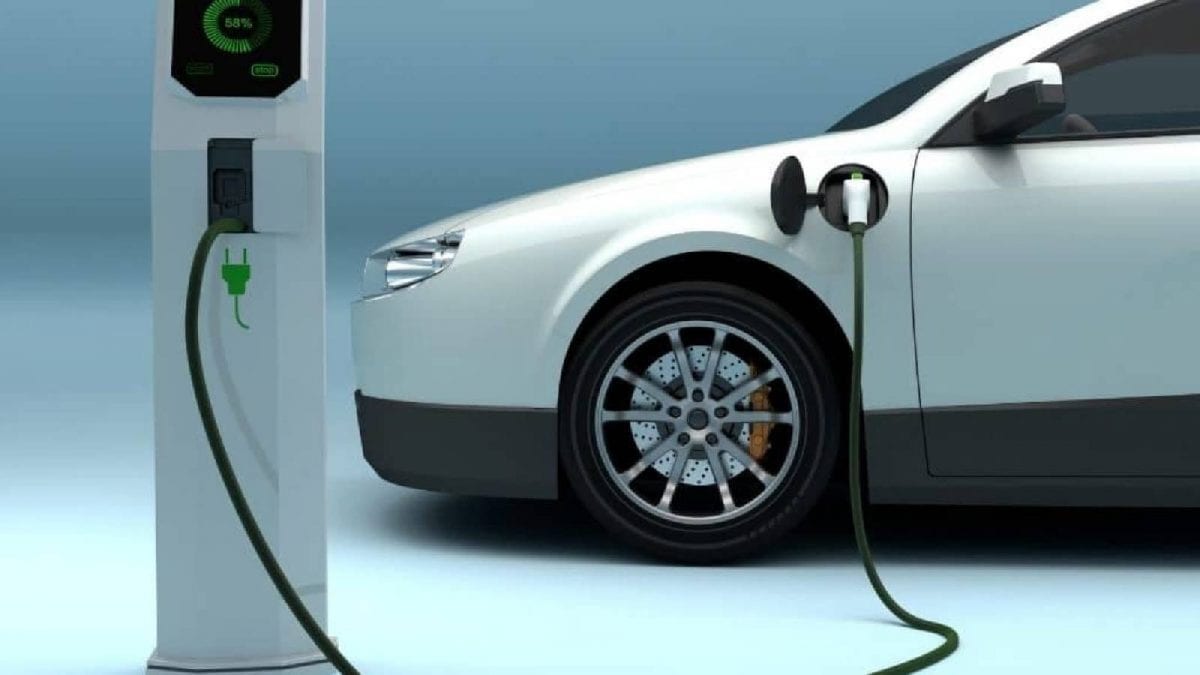
Last Updated:
To make EVs more affordable, the policy offers incentives up to Rs 2 lakh for electric cars used in transport and Rs 20 lakh for electric buses.
All new vehicles bought for city use by government departments will be electric. (Representative Image) (Photo: Earth.org)
The Maharashtra Government has announced a new Electric Vehicle (EV) Policy, aiming to have 30 percent of all vehicles in the state running on electric power by 2030.
The policy came into effect on 1 April 2025 and will run until 31 March 2030. According to mid-day, officials want Maharashtra to become a top EV hub in India by focusing on three key areas: building better EV infrastructure, supporting manufacturing, and offering financial incentives.
In the next five years, the state aims to cut 325 tonnes of PM 2.5 emissions and 1,000 tonnes of greenhouse gases from the transport sector. This effort is part of Maharashtra’s Clean Mobility Transition Model.
Incentives for EV Buyers
- Electric four-wheelers (used for transport): Incentives up to Rs 2 lakh
- Electric buses: Incentives up to Rs 20 lakh
- Target beneficiaries include:
- 1 lakh electric two-wheelers
- 25,000 electric four-wheelers (transport use)
- 1,500 electric private and city buses
EVs registered under this policy will also enjoy:
- 100 percent exemption from motor vehicle tax
- No registration renewal fees
- Full toll exemption on Mumbai-Pune and Mumbai-Nashik expressways
A committee led by the Chief Secretary will also consider toll waivers on other roads managed by the Public Works Department.
Better Charging Facilities Everywhere
To support this EV wave, the government is investing in charging infrastructure:
- Charging stations every 25 km along highways
- Mandatory EV chargers in all new residential buildings
- At least one charger in every government office parking area
- 50 percent of parking in new commercial buildings reserved for EV charging
- 20 percent EV charging provision in shared parking of older commercial buildings
Public charging stations will also get help with installation costs, thanks to 15 percent viability gap funding.
Government Fleets
The policy requires that all new vehicles bought by government departments for city use must be electric. In big cities like Mumbai, Pune, Nagpur, Nashik, Chhatrapati Sambhajinagar, and Amravati, half of city utility vehicles procured must be electric.
Furthermore, the state is also promoting future-ready technology:
- Rs 15 crore R&D Grant for new battery tech, green hydrogen, and EV-to-grid integration
- Special EV-related courses to be introduced by the Maharashtra State Board of Technical Education (MSBTE)
- Automated Testing Stations to ensure EV safety and battery standards.
- First Published: