
 admin
adminHow Ceramic PCBs Are Used
Ceramic PCBs are used in a wide variety of applications due to their high thermal conductivity, durability, and electrical insulation. In addition, they also provide better mechanical strength than traditional materials and are able to withstand mechanical shocks and vibrations, which make them a great choice for automotive electronics and other devices that need to operate in harsh conditions.
These advanced circuit boards are made from ceramic base material that is then layered with insulative and conductive layers. These layers are deposited using thin and thick film technologies, which allow for precise control over the thickness of each layer. Moreover, advancements in multilayer ceramic pcb board design have enabled manufacturers to fabricate dense ceramic boards that are compact enough for modern mobile devices.
The ceramic materials used for PCBs include alumina (Al2O3), aluminum nitride, beryllia (BeO), silicon carbide (SiC) and boron nitride. Each one of these has different physical, thermal and electrical properties and prices. Alumina is the most commonly used ceramic material for PCBs, and there are several variations of it in the market such as 75%, 96%, and 99% alumina. The higher the purity, the more expensive it is. Nevertheless, 99% alumina PCBs offer the best performance at the lowest price.
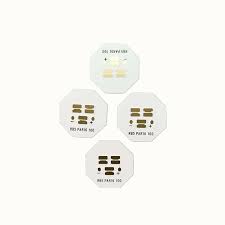
How Ceramic PCBs Are Used in Automotive Electronics
Among these, the most important properties of alumina ceramics are its good thermal conductivity and low coefficient of expansion. The latter feature helps to reduce heat dissipation and increase the efficiency of an electronic device. In addition, alumina is very durable and can withstand high temperatures.
Another advantage of alumina is its superior chemical resistance. This allows it to withstand harsh environments such as those found in automobiles and aerospace. These characteristics make alumina the ideal choice for automotive electronics and other demanding applications.
In addition to its high thermal conductivity, alumina also has excellent mechanical strength and durability. This makes it suitable for automotive electronics and other devices that need to withstand mechanical stress, vibrations, and thermal expansion. Additionally, alumina has a lower melting point than other types of substrates, making it more durable and resistant to damage.
Unlike other substrate materials, alumina can be made to have varying levels of electrical conductivity, ranging from high to very low. This is particularly useful for telecommunications and wireless communication circuits, where signal transmission is critical. Other benefits of ceramic PCBs include their excellent thermal management capabilities, which enable them to dissipate and retain heat more effectively than other materials. They are also highly effective in preventing electrical arcing and reducing the risk of short circuits.
Ceramic PCBs are used in many industries including power electronics, LED lighting, and automotive electronics. They are also ideal for use in medical and health care equipment, due to their biocompatibility and electrical insulation properties. In the future, new technologies will further improve the reliability and efficiency of ceramic PCBs. These technologies will include the development of low-loss materials and improved signal integrity, which will further enhance their functionality and suitability for a broad range of applications.