
 admin
admin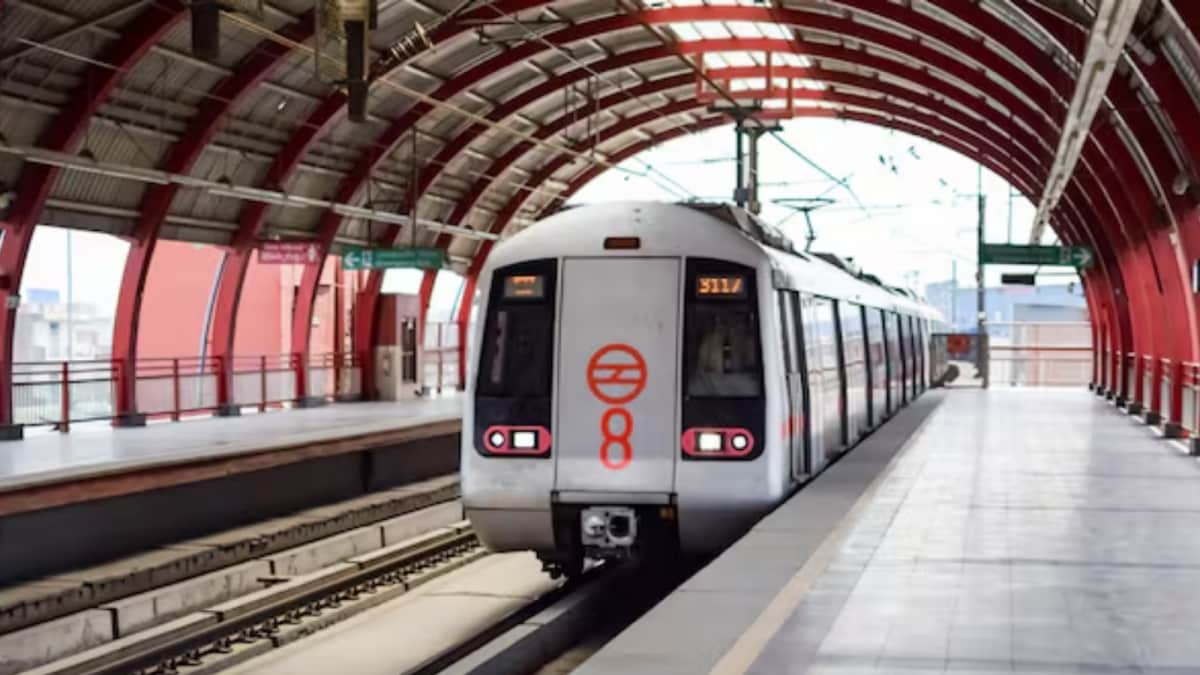
Last Updated:
Unlike Railways, which largely runs on ground-level tracks built to absorb low-intensity tremors, metro trains operate either on elevated viaducts or through underground tunnels
Metro trains are more prone to derailment during tremors. (File photo)
When strong tremors rattled Delhi-NCR early on Thursday morning, startled residents rushed out of homes and offices, fearing aftershocks. The epicentre was identified as Jhajjar in Haryana. As panic spread, Delhi Metro services were brought to a temporary halt, prompting a question that surfaces after every such event – Why does the metro stop during an earthquake, while regular trains continue running?
The answer lies in the fundamental differences between the Indian Railways and metro systems, from infrastructure design to safety protocols.
Unlike Indian Railways, which largely runs on ground-level tracks built to absorb low-intensity tremors, metro trains operate either on elevated viaducts or through underground tunnels. This structural setup, although efficient for urban space management, is far more susceptible to seismic activity.
Metro trains are also lighter and operate at higher speeds. These factors make them more prone to derailment or infrastructural damage if tremors strike during a journey. As a precautionary measure, Delhi Metro Rail Corporation (DMRC) halts services the moment any seismic movement is detected.
Automatic Seismic Sensors Trigger Emergency Stops
One of the key safety features of the metro system is its state-of-the-art earthquake detection technology. Metro networks are equipped with seismic sensors that can detect even minor ground movements. These sensors are directly linked to the train control systems, which instantly issue commands to stop the trains when tremors are sensed.
Conventional railway trains, by contrast, are usually not equipped with such automated systems. As a result, Indian Railways depends on manual intervention, and mild tremors often don’t meet the threshold for immediate action.
Passenger Safety And Crowd Management
Another reason for halting metro services during quakes is the density of passengers. “We were told the train would resume in a couple of minutes, but we didn’t even feel the tremors inside,” said Arshad, a daily metro commuter. Even if tremors are not felt strongly in a moving train, panic inside packed stations or coaches can pose a risk.
Metro stations in urban centres like Delhi witness heavy footfall, especially during peak hours. In such scenarios, a sudden jolt or even rumours of a tremor could trigger chaos, stampedes, or injuries. To prevent this, the DMRC follows a strict safety-first protocol.
Centralised Control vs Decentralised Rail Operations
Delhi Metro is centrally operated so decisions like stopping all trains can be implemented within seconds from its command centre. Indian Railways, however, operates through a more decentralised system, where decisions are taken by local station masters or zonal authorities. This difference in operational design also explains the delay or absence of a halt in long-distance trains during mild quakes.
After an earthquake, metro authorities conduct immediate safety checks on tracks, tunnels, and elevated structures before resuming service, even if the tremor is brief. Since these infrastructures are more sensitive to seismic vibrations, a precautionary stop helps avert long-term damage or accidents.
So, while your long-distance train might continue rumbling on the tracks during a mild tremor, the metro’s quick halt isn’t just about disruption but a life-saving protocol grounded in engineering.
view comments
- First Published: