 admin
admin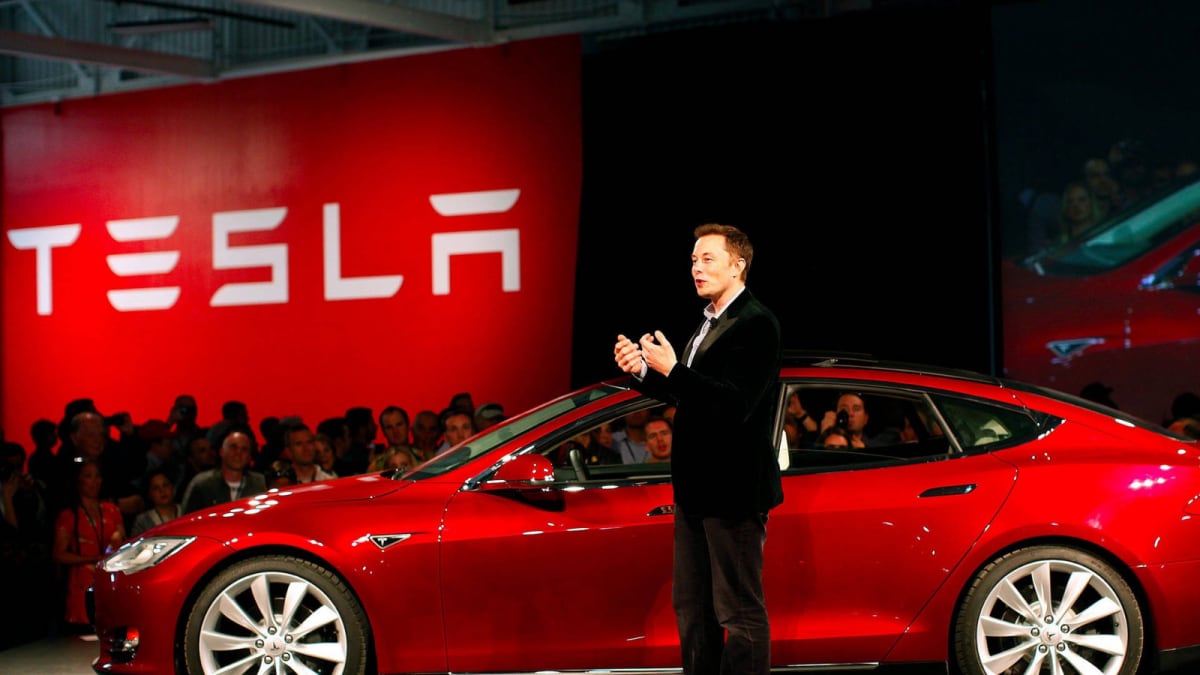
Last Updated:
As Elon Musk’s vision of giving driverless cars to the world is taking shape, a critical question remains answered: Can this features ever succeed in India? Let’s Find Out.
Elon Musk. (File photo)
Amid the time when technology is evolving in the EV segment, the top manufacturer started turning the future into reality. They begin offering the features that no one predicted a few years back, and the most controversial yet talked-about one is Tesla’s Autopilot and Full Self-Driving (FSD).
As Elon Musk’s vision of giving driverless cars to the world is eventually taking shape, a critical question remains answered: Can Tesla’s autonomous features ever succeed in a country like India? Let’s take a deep dive and try to understand what could go wrong if we choose to go completely driverless in the country.
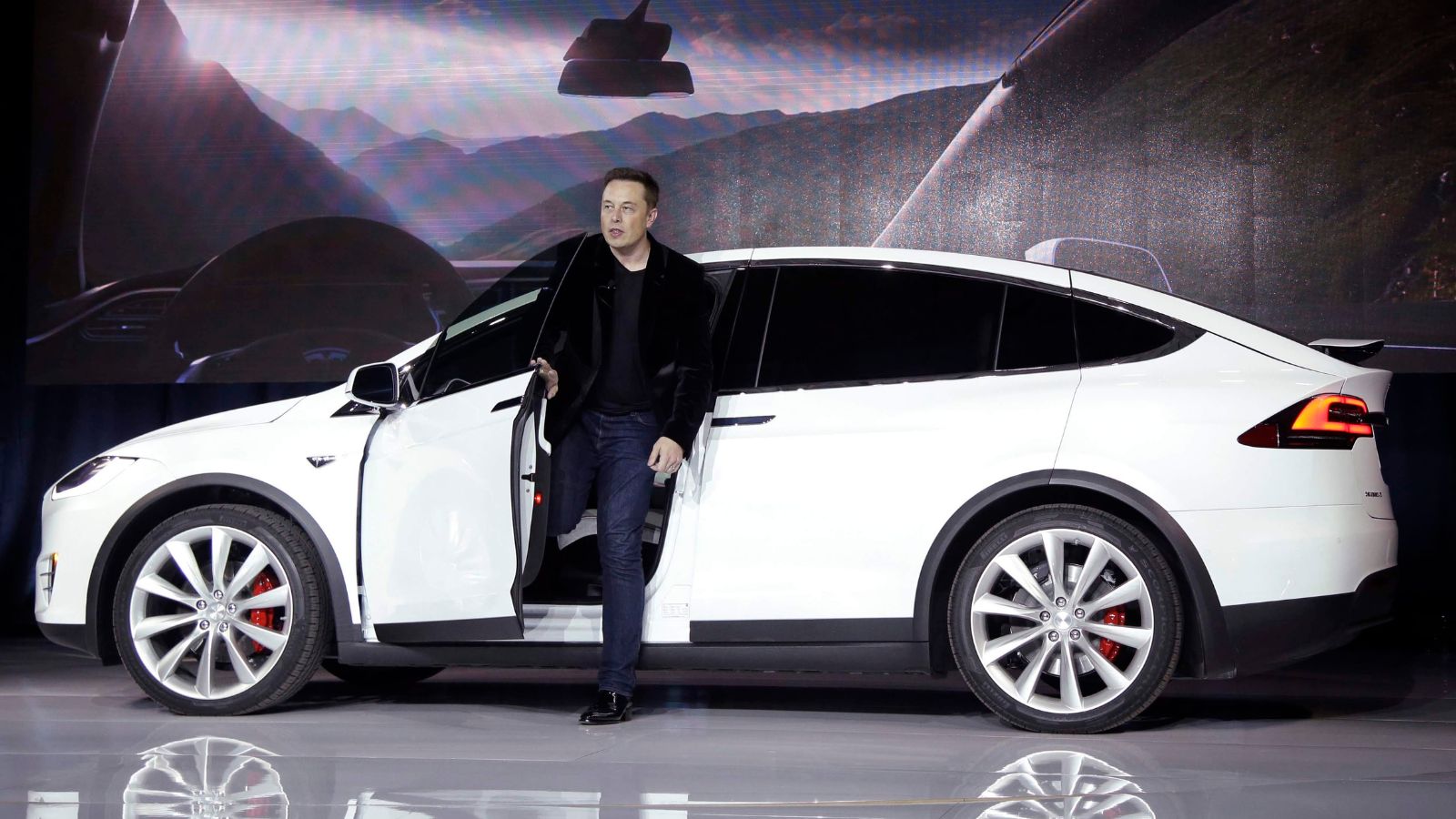
What Are Driverless EVs?
First things first, let’s have an overview of the autonomous driving packages. Currently, Tesla offers two major autonomous driving setups: Autopilot, which provides features like lane-keeping and adaptive cruise control, and the other one is Full Self-Driving (FSD). The latter allows the vehicle to do city street navigation by itself, automatic lane changes, traffic signal recognition, and even self-parking.
It works due to a multiple-camera setup inside the vehicle and relies on ultrasonic sensors to make it work without human intervention.
Future In India
The Indian roads have been termed as unpredictable globally as they are dense, full of chaos, with untimely pedestrian encounters, animals, potholes, informal traffic rules and whatnot.
While the West has predictable traffic patterns, India goes in the opposite direction. It has unmarked roads, two-wheelers weave at each other unpredictably, sudden pedestrians crossing, cows, dogs, frequent traffic rule violations, and even elephants on highways.
The above-mentioned elements are called edge cases, scenarios that AI has never encountered and struggles to interpret correctly.
Technical Barriers
Sensor Confusion: As we mentioned above, Tesla’s models rely heavily on cameras, with no LiDAR. If the technology is brought to India, the poor lighting, chaotic movement, and dust will make it hard for the feature to work properly, and might end up making the wrong decision during the self-driving.
Map Reliability: FSD uses high-definition mapping for some functions. In India, maps are often outdated or incomplete, and GPS signals can be unreliable in super crowded cities.
Infrastructure Gap: The country does not have a proper lane marking system, road signs, and has faded zebra crossings in most of the major cities. These elements can contribute to failing the feature massively.
Regulatory Hurdles: Even if we want fully driverless cars, Indian automotive laws do not permit full autonomous vehicles on public roads due to unpredictable traffic and unwanted scenarios.
Could It Still Handle?
It is worth mentioning that the unpredictability of Indian roads could be a goldmine for Tesla to make its AI systems better than the best. However, FSD tech for now is only capable of handling busy roads in the west, as it has never seen unpredictable traffic and roads like India.
If in future, the top manufacturers decide to go completely out of their comfort zone, and begin the testing locally with specific driving data, things might change in the future, which seems far for now.
Shahrukh Shah, Sub-Editor at News18, loves to write about everything that moves on wheels. With years of experience and the required skill sets, he is contributing to the auto section, where he let people know …Read More
Shahrukh Shah, Sub-Editor at News18, loves to write about everything that moves on wheels. With years of experience and the required skill sets, he is contributing to the auto section, where he let people know … Read More
- First Published: